Clawdbot, Silent Failures, and the AI Co-Pilot That Got Me Unstuck

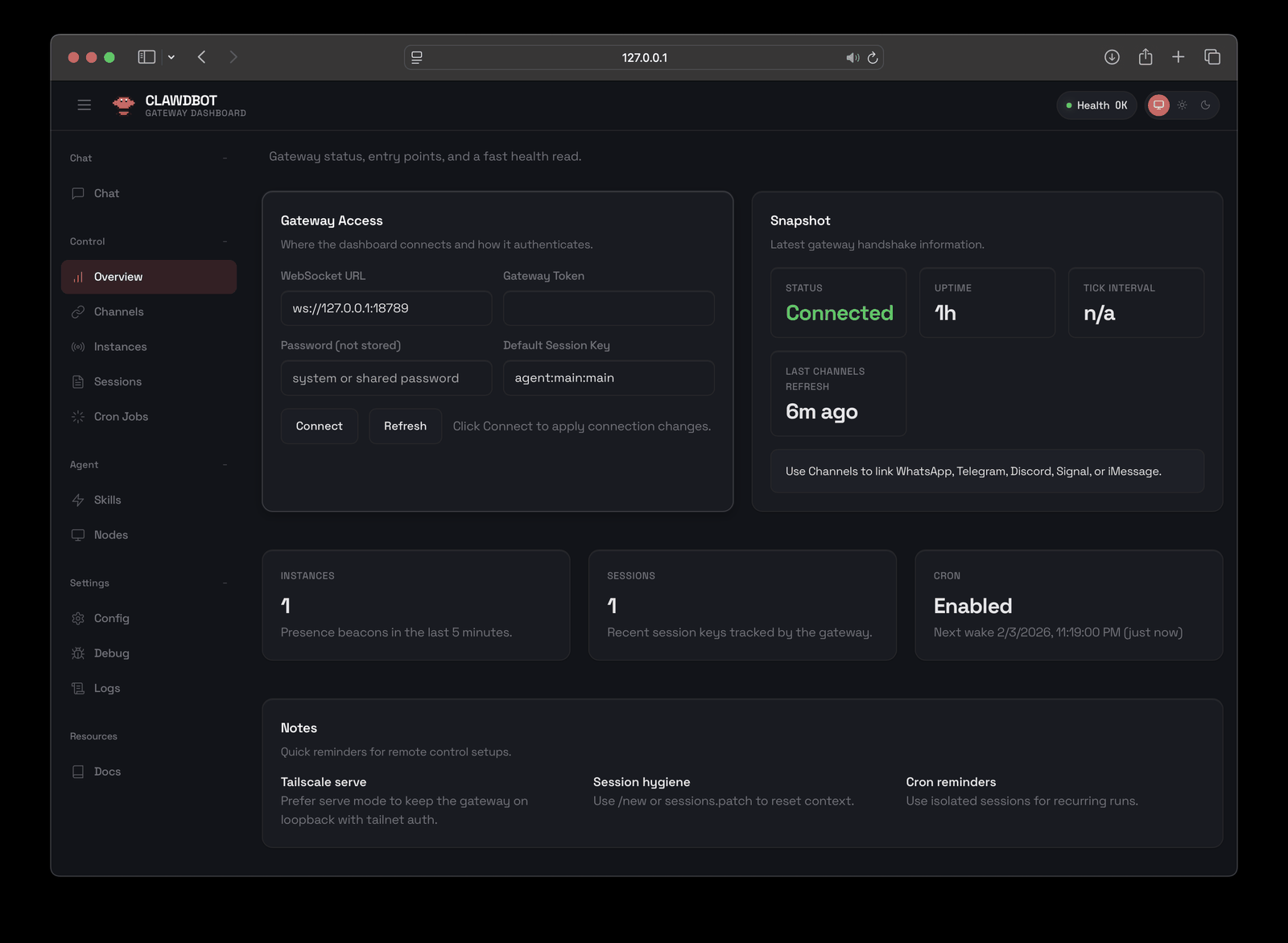
I recently set out to install Clawdbot on a new machine. On paper, it looked straightforward: install the gateway, connect a model, wire up iMessage, optionally add Tailscale, and you’re off to the races. In practice, it turned into one of those experiences that perfectly illustrates the current state of modern developer tooling: incredibly powerful, occasionally sharp-edged, and immensely rewarding once everything clicks.
What made the difference this time wasn’t just persistence. It was having ChatGPT available as a thinking partner while I worked through the install.
This wasn’t a passive “search and copy-paste” experience. It was active problem solving, debugging, reasoning about logs, and gradually building a mental model of how the system actually works.
And in the end: success.
The Starting Point: “It Installed… But Nothing Happens”
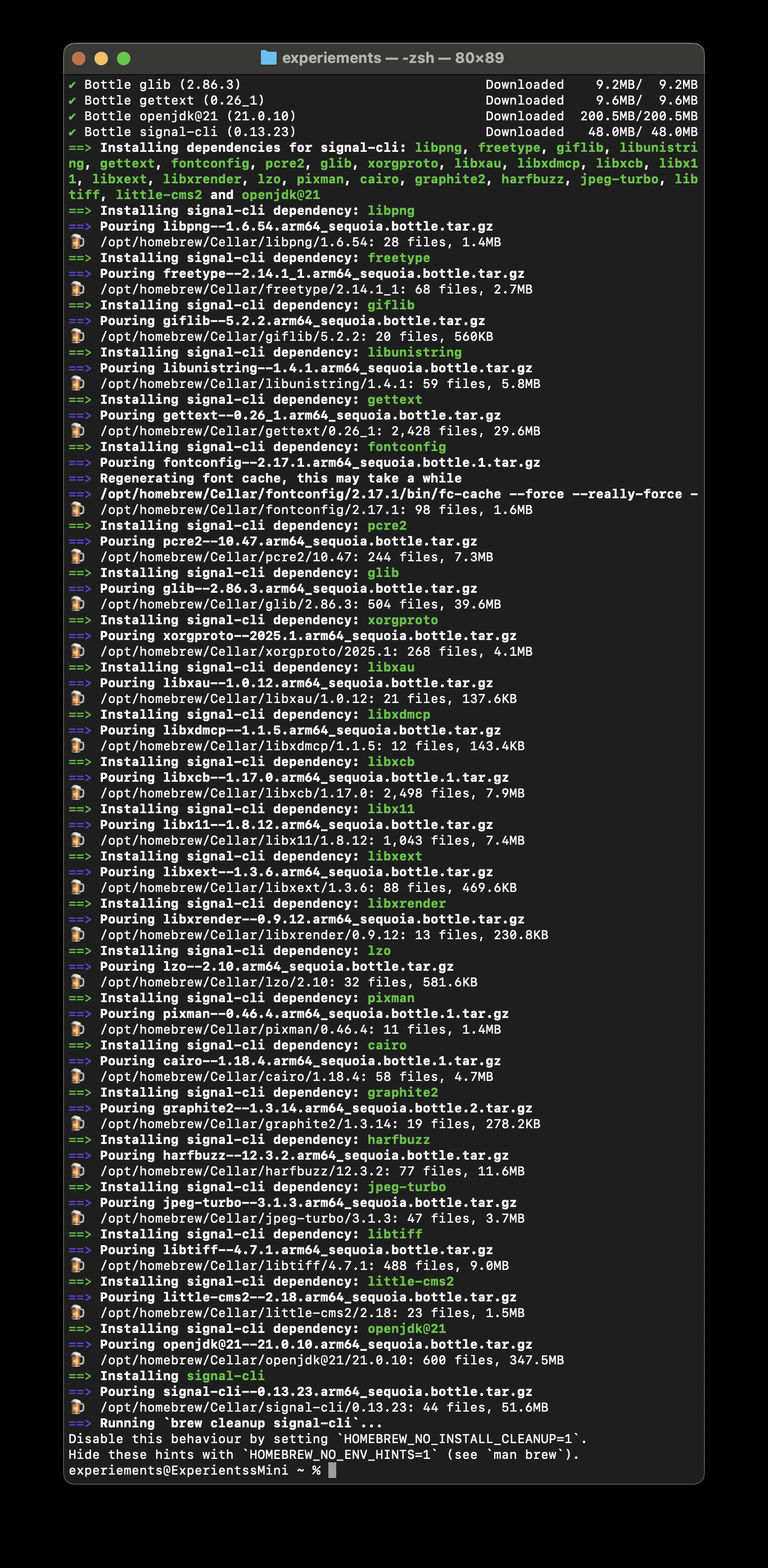
The initial setup completed cleanly. Clawdbot launched, the TUI came up, and everything looked fine, until I sent my first message and got the dreaded:
(no output)
No crash. No error. Just silence.
At first glance, this is one of the hardest failure modes to debug. When nothing fails loudly, you’re left wondering:
- Is the gateway running?
- Is the model responding?
- Is the message even being processed?
This is where having ChatGPT alongside the process immediately paid off. Instead of guessing, I started inspecting logs and learning how Clawdbot’s pipeline actually works: message → agent → model provider → response → channel.
That mental model ended up being the key to everything that followed.
Model Providers, Tokens, and the First Big Misunderstanding
Early on, I saw lines like:
tokens 36k / 1.0m (4%)
My instinctive reaction was: I clearly have plenty of tokens, so why isn’t this working?
This turned out to be my first major learning moment.
That number has nothing to do with billing. It’s the context window usage, not credit balance. You can have a massive context window available and still be completely blocked if the provider refuses the request.
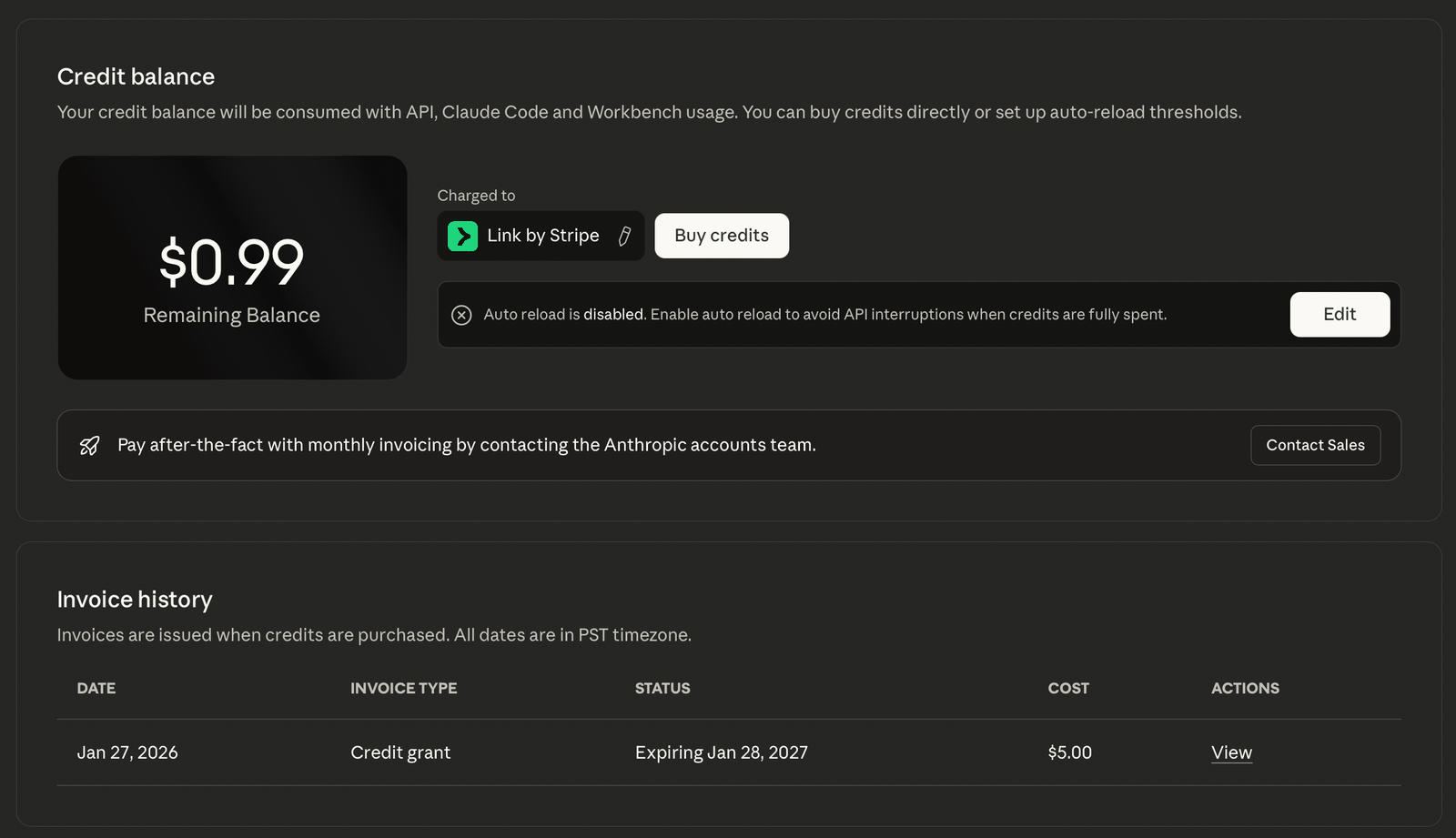
In my case, the issue was with Anthropic’s API. Even after adding credits, I kept running into failures that manifested as (no output) instead of clean error messages. The logs eventually told the real story:
- Requests were hitting rate limits
- Specifically, input tokens per minute
- Large session context + concurrency > 1 = silent failure
This was a subtle but important realization: Clawdbot was working correctly. The model provider wasn’t.
The Hidden Complexity: Concurrency and Rate Limits
One of the trickiest parts of the experience was discovering that agent concurrency isn’t exposed in the interactive config UI for the version I was running.
I kept going into the configuration wizard expecting to see something like:
Max concurrent requests
It wasn’t there. Not under Workspace. Not under Model. Not under Skills.
This could have been a dead end, until I learned that in this build, agent concurrency is configured directly in the raw JSON config.
Manually editing the config to force:
maxConcurrent: 1subagents.maxConcurrent: 1
completely changed the behavior of the system.
Suddenly:
- No more rate-limit storms
- No more silent failures
- Predictable, stable responses
This was a huge turning point. The system didn’t need more credits. It needed less parallelism.
iMessage, Permissions, and macOS Reality
Another layer of complexity came from enabling iMessage support.
On macOS, accessing Messages isn’t just a technical problem. It’s a privacy permissions problem. Until Full Disk Access was correctly granted to the Terminal and the helper process, Clawdbot couldn’t read the Messages database.
The resulting errors were confusing at first because the helper would emit plain-text permission errors, which Clawdbot then failed to parse as JSON.
Once permissions were fixed, iMessage worked exactly as designed, including the pairing system.
I actually appreciated this part: Clawdbot doesn’t blindly respond to anyone who texts your machine. It requires explicit approval. And once I learned how to put it into silent allow-list mode, I was able to configure it so only I could interact with the bot: no pairing messages, no accidental replies.
Tailscale, Sudo, and Drawing Clear Boundaries
As I layered in Tailscale, another lesson surfaced: not every tool should be allowed to do everything.
At one point, the agent attempted to execute commands that required sudo, which immediately failed in a non-interactive environment. The solution wasn’t to “make sudo work.” It was to explicitly prevent the agent from ever trying.
This was empowering rather than limiting. I learned how to:
- Disable elevated execution paths
- Treat the agent as an advisor, not a root user
- Keep security boundaries clear
Once again, Clawdbot wasn’t the problem. It was doing exactly what it was allowed to do. Tightening those permissions made the system more reliable.
The Moment It All Came Together
After:
- fixing provider configuration
- reducing concurrency
- resetting sessions to shrink context
- resolving macOS permissions
- tightening execution controls
I sent a message.
And it responded.
Not just once, but reliably.
At that point, Clawdbot stopped feeling like a fragile experiment and started feeling like infrastructure. Something I could trust. Something I could build on.
Why This Experience Felt Different
What stood out most wasn’t that the install was flawless. It wasn’t.
What stood out was that I never felt stuck.
Having ChatGPT available while working through:
- logs
- error states
- architectural questions
- configuration tradeoffs
meant I was always making progress. Even when something broke, I understood why it broke. Each issue increased my understanding instead of draining my energy.
That’s a powerful shift.
Instead of fighting tools, I was learning systems.
Final Thoughts
Installing Clawdbot ended up being more than a setup task. It was a real-world example of how AI changes the developer experience, not by magically removing complexity, but by making complexity navigable.
I came out of it with:
- a working Clawdbot instance
- a deeper understanding of model providers and rate limits
- more confidence editing configs directly
- and a strong sense of empowerment
This is what modern tooling should feel like: challenging, yes, but paired with the right support, also deeply rewarding.
And now, when I’m installing or configuring the next project, I know something important:
I don’t have to do it alone.